 Known to be toxic - All parts are poisonous if eaten, particularly when fresh. The plant contains irritating compounds that can cause burning of the mouth and digestive upset.
Plant Names

Caltha palustris
Yellow Marsh Marigold
Populage des marais
Synonyms
common marsh marigold
cowflock
cowslip
kingcup
marsh marigold
souci d'eau
Plant Characteristics
Bloom Colour: Yellow
Bloom Period: Apr - Jun
Max Height: 2.0 feet
Max Width: 1.5 feet (spreads by rhizome)
Light Condition:
 More than 6 hours of direct sun a day
 More than 2 or 3 hours but less than 6 hours of direct sun a day
Soil conditions:
More than 2 or 3 hours but less than 6 hours of direct sun a day
Soil conditions:
 Tolerates wet soil condition
More than 6 hours of direct sun a day
More than 2 or 3 hours but less than 6 hours of direct sun a day
Tolerates wet soil condition
Lifespan:
Perennial
plants that will come back year after year
Gardener Experience:
 Spreads by rhizome
 Easy to germinate
Spreads by rhizome
Easy to germinate
Landscape Uses:
 Suitable for wetland garden
 Suitable for rain gardens
 Suitable for shoreline rehabilitation
Suitable for wetland garden
Suitable for rain gardens
Suitable for shoreline rehabilitation
Ecological Benefits:
 Butterfly host
Butterfly host
Tolerates:
 Deer resistant
 Rabbit resistant
 Tolerates limestone conditions
 Tolerates sandy conditions
 Tolerates juglone conditions
 Tolerates transplantation
Deer resistant
Rabbit resistant
Tolerates limestone conditions
Tolerates sandy conditions
Tolerates juglone conditions
Tolerates transplantation
Special Features and Considerations:
Seed and plant distribution status
No seeds available for this plant.
We currently accept seeds for this plant
Fun Facts
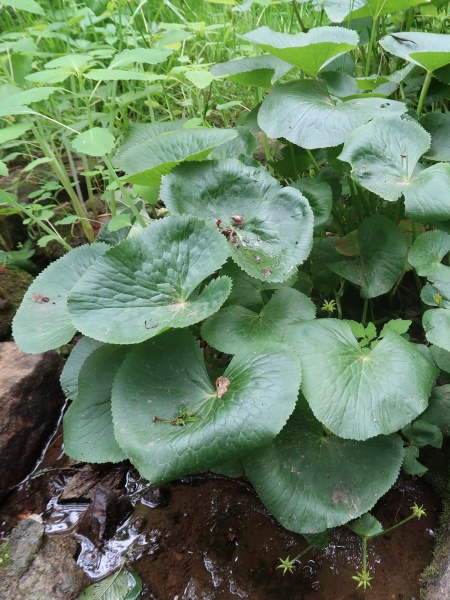
Yellow Marsh Marigold produces bright yellow, buttercup-like flowers in spring. Despite its common name, it is not a true marigold. The rounded, glossy green leaves remain attractive after flowering. It requires reliable moisture; it will struggle in dry soil. It can tolerate shallow standing water for periods of time. It forms clumps and may slowly spread in favourable conditions. It may become less prominent during the hottest part of summer. Avoid allowing it to dry out during establishment.
Plant Location
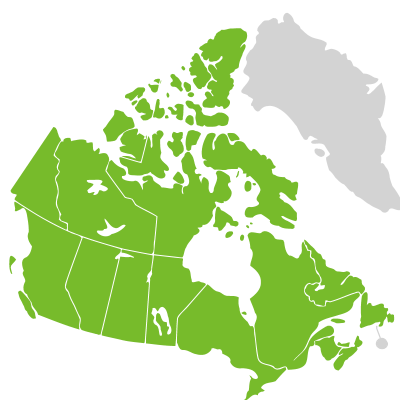
Native to Ottawa region: Yes
Distribution according to VASCAN
Ephemeral
Native
Introduced
Excluded
Extirpated
Doubtful
Absent
 Canadensis

Thrives in Ecozones
- Taiga Plains
- Atlantic Maritime
- Taiga Shield
- Boreal Plains
- Montane Cordillera
- Hudson Plains
- Boreal Shield
- Pacific Maritime
- Mixed Wood Plains
Ecological Benefits
Butterflies Supported by Caltha palustris
No butterfly data available for this plant.
Specialized Bees Supported by Caltha palustris
No bee data available for this plant.
Complementary Plants
- No complementary plants found.
Substitute For Non-Native Plants
- Butomus umbellatus (Flowering Rush)
- Iris pseudacorus (Yellow Iris)
- Iris (Iris Cultivars)
Sowing Information
Download Seed Envelope Labels (PDF)
- Sowing depth: Sow just below surface
- Sow by January
- Stratification duration: 90 days
- Notes: Sow promptly. Can be kept in fridge up to 2 months.
Harvesting and Seed Sharing
- Harvest start month: June
- Harvesting indicator:
- Pods are open
- Harvesting:
- Open the pod, remove seeds
- Seed viability test:
- No test needed before donating
- Packaging measure: 1 rounded 1/8 teaspoon
- Seed storage:
- Keep moist and cool, in a ziploc bag, in the fridge, with the seeds in soil, paper towel or coffee filter, until donation
- Cultivar: Yes, do not donate unless you know source, and there are no known cultivars in your garden or at proximity
- Harvesting video: Watch here
Toxicity Notes
All parts are poisonous if eaten, particularly when fresh. The plant contains irritating compounds that can cause burning of the mouth and digestive upset.