 Known to be toxic - Known to be toxic to mammals.
Plant Names

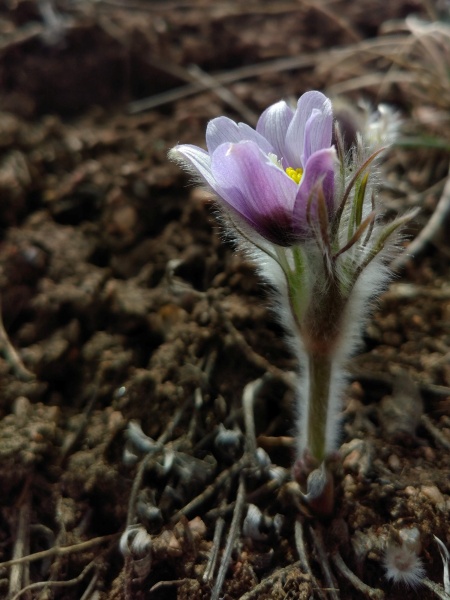
Pulsatilla nuttalliana
Prairie Pasqueflower
Pulsatille multifide
Synonyms
American pasqueflower
crocus anemone
lion's-beard
pasqueflower
prairie crocus
prairie-smoke
Plant Characteristics
Bloom Colour: White
Bloom Period: Apr - May
Max Height: 2.0 feet
Max Width: 1.0 feet
Light Condition:
 More than 6 hours of direct sun a day
Soil conditions:
More than 6 hours of direct sun a day
Soil conditions:
 Tolerates dry soil condition
 Tolerates medium soil condition
More than 6 hours of direct sun a day
Tolerates dry soil condition
Tolerates medium soil condition
Lifespan:
Perennial
plants that will come back year after year
Gardener Experience:
 Does not spread uncontrollably
 Self-seeding
Does not spread uncontrollably
Self-seeding
Landscape Uses:
 Suitable for rock gardens
 Suitable for container garden
Suitable for rock gardens
Suitable for container garden
Ecological Benefits:
No ecological benefits information available.
Tolerates:
 Tolerates limestone conditions
Tolerates limestone conditions
Special Features and Considerations:
 This plant is endangered
 This plant causes skin rashes
This plant is endangered
This plant causes skin rashes
Seed and plant distribution status
No seeds available for this plant.
We currently accept seeds for this plant
Fun Facts
Prairie Pasqueflower is one of the earliest native wildflowers to bloom, often flowering before the snow has completely melted. Its silky purple flowers are followed by feathery seed heads. It is slow-growing but very long-lived and requires excellent drainage. It does not tolerate wet winter soils. Avoid transplanting mature plants due to deep roots. It is an excellent choice for a prairie garden, dry border, or sunny slope. It has a deep root system and does not transplant easily once established. It is very drought tolerant once established. It requires excellent drainage, particularly during winter. It does not rich soil. It is slow to establish from seed.
Plant Location
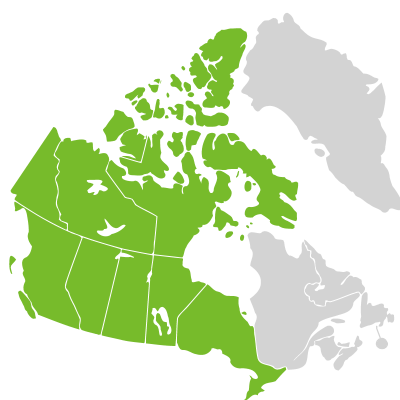
Distribution according to VASCAN
Ephemeral
Native
Introduced
Excluded
Extirpated
Doubtful
Absent
 Canadensis

Thrives in Ecozones
- Taiga Plains
- Taiga Shield
- Boreal Plains
- Montane Cordillera
- Prairies
- Mixed Wood Plains
Ecological Benefits
Butterflies Supported by Pulsatilla nuttalliana
No butterfly data available for this plant.
Specialized Bees Supported by Pulsatilla nuttalliana
No bee data available for this plant.
Complementary Plants
- No complementary plants found.
Substitute For Non-Native Plants
- Convallaria majalis (Lily of the Valley)
- Iridaceae (Crocus)
- Salvia (Non-Native Sage)
- Tulipa (Tulips)
- Petunia (Non-Native Petunias)
- Myosotis sylvatica (Forget-me-not)
- Phlox subulata (Moss Phlox)
Sowing Information
Download Seed Envelope Labels (PDF)
- Sowing depth: Sow just below surface
- Sow anytime
- Stratification duration: 0 days
- Self-seeding
- Notes: Sow outdoors in the fall.
Harvesting and Seed Sharing
- Harvest start month: May
- Harvesting indicator:
- Seeds have become fluffy and can be easily removed by shaking on gently pulling off from stem
- Harvesting:
- Use hand to detach from main stem
- Seed viability test:
- No test needed before donating
- Packaging measure: A dozen (12) seeds (eyeball)
- Seed storage:
- Air dry in paper bag or open container, for a few days until crisp
- Shake seeds to move them once in a while to prevent molding
- Cultivar: No, you can donate without knowing the source as there are only straight species
- No harvesting video available at this time.
Toxicity Notes
Known to be toxic to mammals.