Source: David D Stang
Plant Names

Sporobolus heterolepis
Prairie Dropseed
Sporobole à glumes inégales
Synonyms
northern dropseed
Plant Characteristics
Bloom Colour: Green
Bloom Period: Aug - Oct
Max Height: 2.0 feet
Max Width: 3.0 feet
Light Condition:
 More than 6 hours of direct sun a day
Soil conditions:
More than 6 hours of direct sun a day
Soil conditions:
 Tolerates dry soil condition
 Tolerates medium soil condition
More than 6 hours of direct sun a day
Tolerates dry soil condition
Tolerates medium soil condition
Lifespan:
Perennial
plants that will come back year after year
Gardener Experience:
 Does not spread uncontrollably
 Self-seeding
Does not spread uncontrollably
Self-seeding
Landscape Uses:
 Suitable for rock gardens
 Suitable for Right of Way gardens
 Suitable for container garden
 Suitable for school gardens
 Tolerates boulevard garden conditions
Suitable for rock gardens
Suitable for Right of Way gardens
Suitable for container garden
Suitable for school gardens
Tolerates boulevard garden conditions
Ecological Benefits:
 Supports birds
Supports birds
Tolerates:
 Tolerates salt conditions
 Deer resistant
 Rabbit resistant
 Tolerates limestone conditions
 Tolerates sandy conditions
 Tolerates juglone conditions
 Tolerates transplantation
Tolerates salt conditions
Deer resistant
Rabbit resistant
Tolerates limestone conditions
Tolerates sandy conditions
Tolerates juglone conditions
Tolerates transplantation
Special Features and Considerations:
 This plant is endangered
This plant is endangered
Seed and plant distribution status
No seeds available for this plant.
We currently accept seeds for this plant
Fun Facts
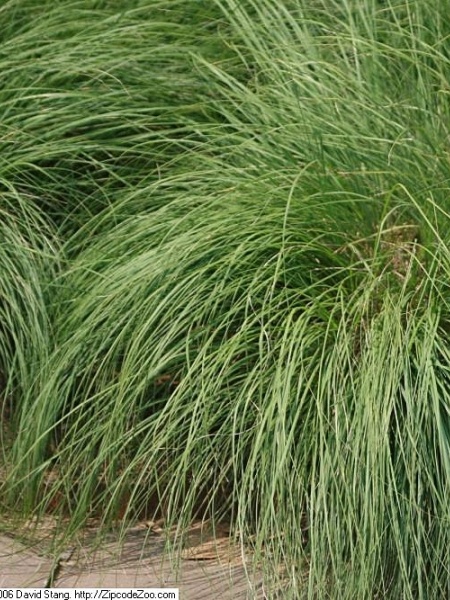
Prairie Dropseed is a beautiful warm-season grass that forms neat, rounded clumps of fine green foliage. Delicate, airy flower stalks rise above the foliage in late summer, followed by small seeds. The foliage turns orange-bronze in fall and often remains attractive through winter. It is particularly well suited to prairie gardens, borders, and smaller native landscapes.
Prairie Dropseed is one of the best native grasses for a tidy garden. It is slow to establish, sometimes taking several years to reach its mature size. It does not spread aggressively. You should avoid avoid rich, wet soil for this species. It is an excellent choice for small gardens because it remains in a clump.
Prairie Dropseed is one of the best native grasses for a tidy garden. It is slow to establish, sometimes taking several years to reach its mature size. It does not spread aggressively. You should avoid avoid rich, wet soil for this species. It is an excellent choice for small gardens because it remains in a clump.
Plant Location
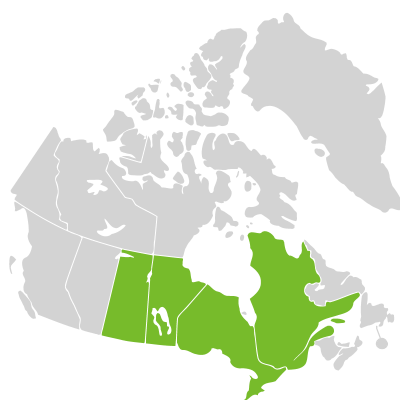
Native to Ottawa region: Yes
Distribution according to VASCAN
Ephemeral
Native
Introduced
Excluded
Extirpated
Doubtful
Absent
 Canadensis

Thrives in Ecozones
- Boreal Plains
- Mixed Wood Plains
Ecological Benefits
Butterflies Supported by Sporobolus heterolepis
No butterfly data available for this plant.
Specialized Bees Supported by Sporobolus heterolepis
No bee data available for this plant.
Complementary Plants
- Anemone virginiana
Tall Anemone
Anémone de Virginie - Blephilia ciliata
Downy Wood Mint
Bléphilie ciliée - Oenothera fruticosa
Narrow-leaved Evening-primrose
Onagre frutescente - Polanisia dodecandra
Red-whiskered Clammyweed
Polanisie à douze - Tradescantia ohiensis
Ohio Spiderwort
Tradescantie d'Ohio
Substitute For Non-Native Plants
- Miscanthus (Silvergrass)
- Cortaderia selloana (Pampas Grass)
- Phalaris arundinacea (Reed Canary Grass)
- Pennisetum setaceum (Fountain Grass)
Sowing Information
Download Seed Envelope Labels (PDF)
- Sowing depth: Surface sow
- Sow anytime
- Stratification duration: 0 days
- Self-seeding
- Notes: Can be sown in late spring in warm soil.
Harvesting and Seed Sharing
- Harvest start month: September
- Harvesting indicator:
- Seeds easily fall off when you gently pull them off
- Harvesting:
- Use hand to detach from main stem
- Seed viability test:
- No test needed before donating
- Packaging measure: 1 rounded 1/8 teaspoon
- Seed storage:
- Air dry in paper bag or open container, for a few days until crisp
- Shake seeds to move them once in a while to prevent molding
- Cultivar: Yes, do not donate unless you know source, and there are no known cultivars in your garden or at proximity
- No harvesting video available at this time.
Toxicity Notes
Not known to be toxic to mammals if ingested.