 Known to be toxic - Toxic to mammals if ingested and upon contact.
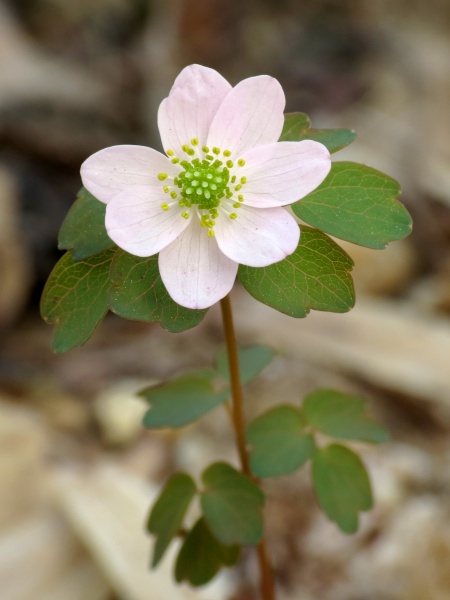
Source: Katja Schulz
Plant Names

Thalictrum thalictroides
Rue-anemone
Pigamon à ombelles
Synonyms
windflower
Plant Characteristics
Bloom Colour: White
Bloom Period: Apr - May
Max Height: 1.0 feet
Max Width: 0.8 feet
Light Condition:
 Less than 2 or 3 hours of direct sun a day
Soil conditions:
Less than 2 or 3 hours of direct sun a day
Soil conditions:
 Tolerates medium soil condition
Less than 2 or 3 hours of direct sun a day
Tolerates medium soil condition
Lifespan:
Perennial
plants that will come back year after year
Gardener Experience:
 Does not spread uncontrollably
Does not spread uncontrollably
Landscape Uses:
 Suitable for container garden
 Suitable for woodland gardens
Suitable for container garden
Suitable for woodland gardens
Ecological Benefits:
 Butterfly host
Butterfly host
Tolerates:
 Tolerates drought conditions
 Deer resistant
 Rabbit resistant
 Tolerates sandy conditions
 Tolerates juglone conditions
 Tolerates transplantation
Tolerates drought conditions
Deer resistant
Rabbit resistant
Tolerates sandy conditions
Tolerates juglone conditions
Tolerates transplantation
Special Features and Considerations:
 This plant is endangered
This plant is endangered
Seed and plant distribution status
No seeds available for this plant.
We currently accept seeds for this plant
Fun Facts
Rue-anemone brings some of the earliest flowers of spring to the garden. Its white to pale pink flowers appear before the forest canopy fills in. It blooms before the leaves of many trees appear. This is a clever woodland adaptation: it takes advantage of sunlight reaching the forest floor in early spring. What appear to be petals are actually sepals. Rue-anemone does not have true petals. The flowers can range from white to pinkish, sometimes changing colour as they age.
Rue-anemone belongs to the buttercup family (Ranunculaceae), along with familiar plants such as hepatica, columbine and buttercups. After flowering, the plant becomes much less conspicuous as it dies back in summer and goes dormant underground. Dappled spring sunlight beneath deciduous trees is ideal. Do not cut it back while it is still green; allow the foliage to naturally yellow and disappear after flowering. Once Rue-anemone goes dormant in summer, there may be little or nothing visible above ground. Avoid disturbing the soil in that area while the plant is dormant.
Rue-anemone belongs to the buttercup family (Ranunculaceae), along with familiar plants such as hepatica, columbine and buttercups. After flowering, the plant becomes much less conspicuous as it dies back in summer and goes dormant underground. Dappled spring sunlight beneath deciduous trees is ideal. Do not cut it back while it is still green; allow the foliage to naturally yellow and disappear after flowering. Once Rue-anemone goes dormant in summer, there may be little or nothing visible above ground. Avoid disturbing the soil in that area while the plant is dormant.
Plant Location
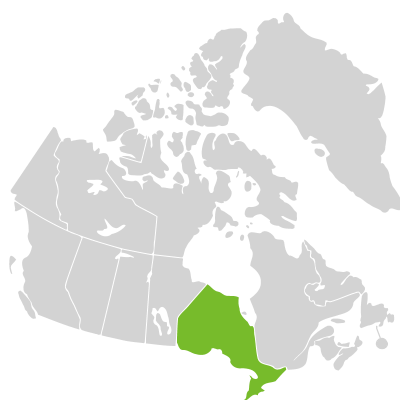
Distribution according to VASCAN
Ephemeral
Native
Introduced
Excluded
Extirpated
Doubtful
Absent
 Canadensis

Thrives in Ecozones
- Mixed Wood Plains
Ecological Benefits
Butterflies Supported by Thalictrum thalictroides
No butterfly data available for this plant.
Specialized Bees Supported by Thalictrum thalictroides
No bee data available for this plant.
Complementary Plants
- No complementary plants found.
Substitute For Non-Native Plants
- Sorbaria sorbifolia (False spirea)
- Aruncus dioicus (Goat's Beard)
- Lamium (Dead nettle)
- Lupinus (Non-Native Lupins)
- Ajuga reptans (Bugleweed)
- Buddleia (Butterfly Bush)
- Delphinium (Delphinium)
- Iris (Iris Cultivars)
- Hyacinthus (Non-Native Hyacynth)
- Myosotis sylvatica (Forget-me-not)
- Astilbe (Astilbe)
- Melilotus albus (Sweet White Clover)
- Lavandula (Lavender)
Sowing Information
Download Seed Envelope Labels (PDF)
- Sowing depth: Sow just below surface
- Sow anytime
- Stratification duration: 0 days
- Notes: Double dormancy.
Harvesting and Seed Sharing
- Harvest start month: June
- Harvesting indicator:
- Pods are brown, seeds are dark, and crisp, and little stem connecting the pod to the main stem is brown (not green)
- Harvesting:
- Open the pod, remove seeds
- Seed viability test:
- No test needed before donating
- Packaging measure: 1 rounded 1/8 teaspoon
- Seed storage:
- Air dry in paper bag or open container, for a few days until crisp
- Shake seeds to move them once in a while to prevent molding
- Cultivar: Yes, do not donate unless you know source, and there are no known cultivars in your garden or at proximity
- No harvesting video available at this time.
Toxicity Notes
Toxic to mammals if ingested and upon contact.