Plant Names

Ranunculus abortivus
Kidney-leaved Buttercup
Renoncule abortive
Plant Characteristics
Bloom Colour: Yellow
Bloom Period: Apr - Jun
Max Height: 2.0 feet
Max Width: 1.0 feet
Light Condition:
 More than 2 or 3 hours but less than 6 hours of direct sun a day
 Less than 2 or 3 hours of direct sun a day
Soil conditions:
Less than 2 or 3 hours of direct sun a day
Soil conditions:
 Tolerates medium soil condition
 Tolerates wet soil condition
More than 2 or 3 hours but less than 6 hours of direct sun a day
Less than 2 or 3 hours of direct sun a day
Tolerates medium soil condition
Tolerates wet soil condition
Lifespan:
Perennial
plants that will come back year after year
Special Features and Considerations:
Seed and plant distribution status
No seeds available for this plant.
We currently accept seeds for this plant
Fun Facts
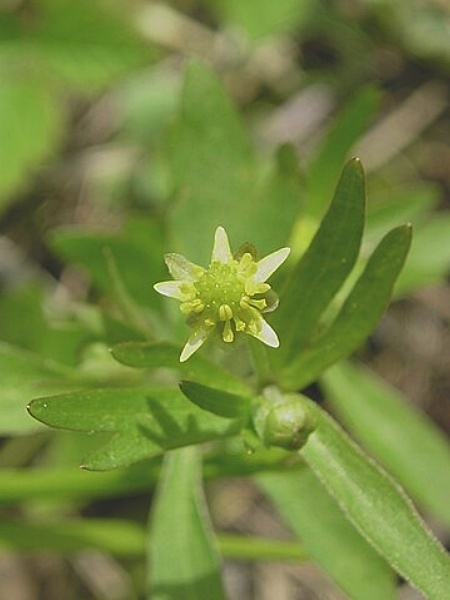
Small-flowered Buttercup is a native woodland and meadow perennial with delicate yellow flowers appearing in spring. It has three-lobed leaves near the base and smaller upper leaves along slender stems. It grows naturally in moist forests, stream edges, floodplains, and shaded meadows. It prefers moist, fertile soils but can tolerate average garden conditions. Its subtle flowers make it best suited to naturalistic gardens rather than formal flower borders. Allow it to naturalize rather than trying to maintain as a specimen plant. It goes dormant after flowering in some conditions.
Plant Location
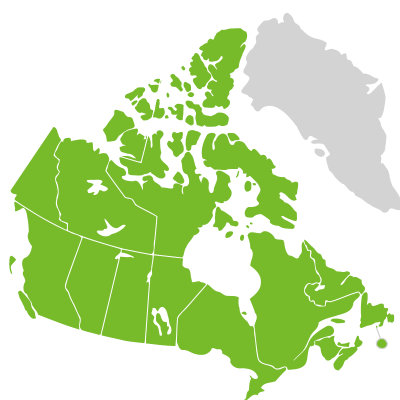
Distribution according to VASCAN
Ephemeral
Native
Introduced
Excluded
Extirpated
Doubtful
Absent
 Canadensis

Ecological Benefits
Sowing Information
Download Seed Envelope Labels (PDF)
- Sowing depth: Sow just below surface
- Sow anytime
- Stratification duration: Not Available
Harvesting and Seed Sharing
- Harvest start month: June
- Harvesting indicator:
- Seeds are dark and dry
- Harvesting:
- Open the pod, remove seeds
- Seed viability test:
- None
- Packaging measure: None
- Seed storage:
- Air Dry in paper bag or open container, for a few days until crisp
- Shake seeds to move them once in a while to prevent molding
- Cultivar: No, you can donate without knowing the source as there are only straight species
- No harvesting video available at this time.
Toxicity Notes
Like many buttercups, fresh plant material can irritate the mouth and digestive system if eaten. Avoid consumption by people, pets, and livestock.