Plant Names

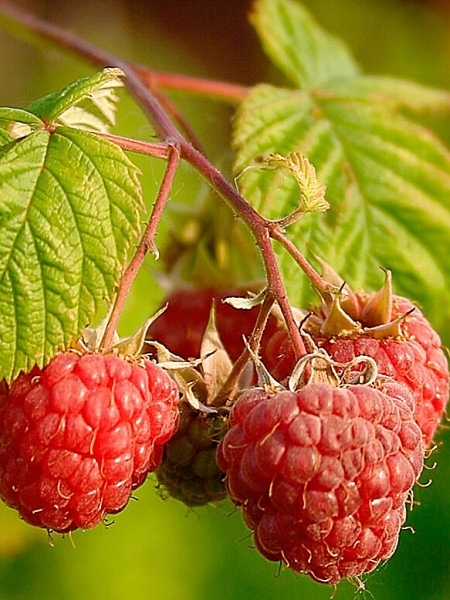
Rubus idaeus var. strigosus
Red Raspberry
Framboisier rouge
Plant Characteristics
Bloom Colour: White
Bloom Period: Apr - May
Max Height: 8.0 feet
Max Width: 8.0 feet
Light Condition:
 More than 6 hours of direct sun a day
 More than 2 or 3 hours but less than 6 hours of direct sun a day
Soil conditions:
More than 2 or 3 hours but less than 6 hours of direct sun a day
Soil conditions:
 Tolerates medium soil condition
More than 6 hours of direct sun a day
More than 2 or 3 hours but less than 6 hours of direct sun a day
Tolerates medium soil condition
Lifespan:
Perennial
plants that will come back year after year
Gardener Experience:
Landscape Uses:
No landscape information available.
Ecological Benefits:
 Butterfly host
 Keystone species
Butterfly host
Keystone species
Tolerates:
Special Features and Considerations:
Seed and plant distribution status
No seeds available for this plant.
We currently accept seeds for this plant
Fun Facts
Red Raspberry produces white spring flowers followed by red berries in the summer. It grows naturally in forest edges, clearings, and disturbed areas. It spreads readily through suckers and underground roots and can form dense patches. It requires regular pruning for best fruit production. You can remove old fruiting canes after harvest. You can also provide support if growing intentionally for berries.
Plant Location
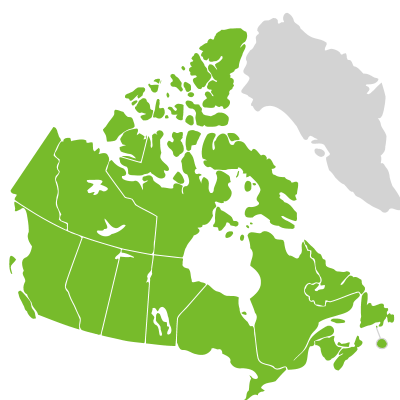
Distribution according to VASCAN
Ephemeral
Native
Introduced
Excluded
Extirpated
Doubtful
Absent
 Canadensis

No ecozone information available for this plant.
Ecological Benefits
Butterflies Supported by Rubus idaeus var. strigosus
-
Chlorochlamys chloroleucaria
Blackberry looper - Arpenteuse des ronces -
Cingilia catenaria
Chain-dotted geometer - Arpenteuse caténaire -
Trichordestra legitima
Striped Garden Caterpillar
Specialized Bees Supported by Rubus idaeus var. strigosus
No bee data available for this plant.
Complementary Plants
- No complementary plants found.
Substitute For Non-Native Plants
No substitute plant data available for this plant.
Sowing Information
Download Seed Envelope Labels (PDF)
- Sowing depth: Sow just below surface
- Sow by January
- Stratification duration: 90 days
Harvesting and Seed Sharing
- Harvest start month: September
- Harvesting indicator:
- Berries are ripen and easily fall off or have fallen off
- Harvesting:
- Put berries through strainer to separate seeds, then rinse with water
- Seed viability test:
- No test needed before donating
- Packaging measure: None
- Seed storage:
- None
- Cultivar: Yes, do not donate unless you know source, and there are no known cultivars in your garden or at proximity
- Remove non-seed material
- No harvesting video available at this time.