Source: Fritzflohrreynolds.jpg
Tilia americana
Plant Names

Tilia americana
Basswood
Tilleul d'Amérique
Plant Characteristics
Bloom Colour: White
Bloom Period: Jun - Jun
Max Height: 80.0 feet
Max Width: 50.0 feet
Light Condition:
 More than 6 hours of direct sun a day
 More than 2 or 3 hours but less than 6 hours of direct sun a day
Soil conditions:
More than 2 or 3 hours but less than 6 hours of direct sun a day
Soil conditions:
 Tolerates medium soil condition
More than 6 hours of direct sun a day
More than 2 or 3 hours but less than 6 hours of direct sun a day
Tolerates medium soil condition
Lifespan:
Perennial
plants that will come back year after year
Gardener Experience:
Landscape Uses:
No landscape information available.
Ecological Benefits:
 Supports birds
 Keystone species
Supports birds
Keystone species
Tolerates:
 Tolerates juglone conditions
Tolerates juglone conditions
Special Features and Considerations:
Seed and plant distribution status
No seeds available for this plant.
We currently accept seeds for this plant
Fun Facts
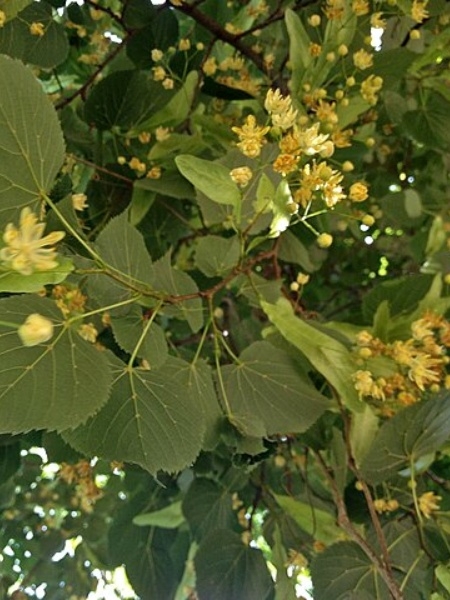
Basswood is a long-lived native tree with heart-shaped leaves, fragrant yellowish flowers and a broad, rounded crown. It is particularly interesting when it comes into bloom in early to mid-summer, when its flowers can fill the air with a sweet, distinctive fragrance. The tree has a fascinating relationship with its flowers: the flower clusters hang from a long, leaf-like bract that helps the clusters and their seeds disperse in the wind. It is a member of the Malvaceae family, making it a relative of hibiscus, cotton and okra. Its common name comes from the soft, lightweight inner wood, traditionally called bast. The flexible inner bark has been used for making cordage, mats and other woven materials. It is excellent carving wood. Its soft, fine-grained wood is prized by woodcarvers because it is relatively easy to cut and shape. The tree can live for well over 100 years when growing in suitable conditions.
Plant Location
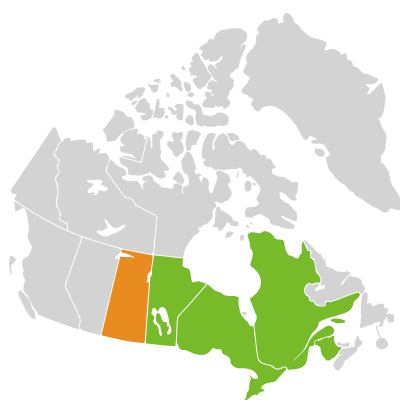
Native to Ottawa region: Yes
Distribution according to VASCAN
Ephemeral
Native
Introduced
Excluded
Extirpated
Doubtful
Absent
 Canadensis
Thrives in Ecozones
- Atlantic Maritime
- Boreal Plains
- Boreal Shield
- Mixed Wood Plains
Ecological Benefits
Butterflies Supported by Tilia americana
No butterfly data available for this plant.
Specialized Bees Supported by Tilia americana
No bee data available for this plant.
Complementary Plants
- No complementary plants found.
Substitute For Non-Native Plants
- Rhamnus cathartica (Common Buckthorn)
- Rhamnus frangula (Glossy Buckthorn)
Sowing Information
Download Seed Envelope Labels (PDF)
- Sowing depth: 3/8 inch
- Sow by January
- Stratification conditions: Soak in hot tap water and let stand for 24h
- Stratification duration: 90 days
Harvesting and Seed Sharing
- Harvest start month: September
- Harvesting indicator:
- Seeds easily fall off when you gently pull them off
- Harvesting:
- Use hand to detach from main stem
- Seed viability test:
- Put seed in container filled with water
- If the seed goes at the bottom of the container, you can donate
- If seed floats, do not donate
- Packaging measure: Six (6) seeds (eyeball)
- Seed storage:
- Air Dry in paper bag or open container, for a few days until crisp
- Shake seeds to move them once in a while to prevent molding
- Cultivar: Yes, do not donate unless you know source, and there are no known cultivars in your garden or at proximity
- No harvesting video available at this time.