Plant Names

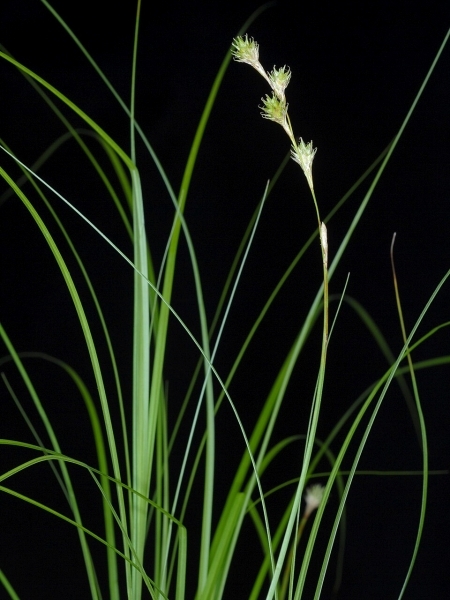
Carex festucacea
Fescue Sedge
Carex fausse-fétuque
Plant Characteristics
Bloom Colour: Green
Bloom Period: Apr - Jun
Max Height: 2.0 feet
Max Width: 1.0 feet
Light Condition:
 More than 2 or 3 hours but less than 6 hours of direct sun a day
Soil conditions:
 Tolerates medium soil condition
 Tolerates wet soil condition
More than 2 or 3 hours but less than 6 hours of direct sun a day
Tolerates medium soil condition
Tolerates wet soil condition
Lifespan:
Perennial
plants that will come back year after year
Gardener Experience:
 Self-seeding
Landscape Uses:
No landscape information available.
Ecological Benefits:
No ecological benefits information available.
Tolerates:
 Tolerates limestone conditions
 Tolerates sandy conditions
Tolerates limestone conditions
Tolerates sandy conditions
Special Features and Considerations:
Seed and plant distribution status
Seeds in stock
Available at table Mixed Sun, Wet
Available at table Mixed Sun, Wet
We currently accept seeds for this plant
Fun Facts
Fescue sedge is a fine-textured native sedge commonly found in woodlands, meadows, forest edges, and stream corridors. It forms attractive clumps of narrow, grass-like foliage.
Its understated flower spikes appear in spring and early summer, contributing subtle texture rather than showy blooms.
Its adaptability and neat appearance make it valuable for naturalistic designs and habitat-focused landscapes.
Its understated flower spikes appear in spring and early summer, contributing subtle texture rather than showy blooms.
Its adaptability and neat appearance make it valuable for naturalistic designs and habitat-focused landscapes.
Plant Location
Distribution according to VASCAN

Ephemeral
Native
Introduced
Excluded
Extirpated
Doubtful
Absent
 Canadensis
No ecozone information available for this plant.
Ecological Benefits
Butterflies Supported by Carex festucacea
No butterfly data available for this plant.
Specialized Bees Supported by Carex festucacea
No bee data available for this plant.
Complementary Plants
- No complementary plants found.
Substitute For Non-Native Plants
No substitute plant data available for this plant.
Sowing Information
Download Seed Envelope Labels (PDF)
- Sowing depth: Sow just below surface
- Sow by February
- Stratification duration: 60 days
- Self-seeding
Harvesting and Seed Sharing
- Harvest start month: July
- Harvesting indicator:
- Seeds easily fall off when you gently pull them off
- Harvesting:
- Use hand to detach from main stem
- Seed viability test:
- No test needed before donating
- Packaging measure: 1 rounded 1/8 teaspoon
- Seed storage:
- Air Dry in paper bag or open container, for a few days until crisp
- Shake seeds to move them once in a while to prevent molding
- Cultivar: No, you can donate without knowing the source as there are only straight species
- No harvesting video available at this time.