 Pas connu comme étant toxique - Not known to be toxic to mammals if ingested.
Plant Names

Alnus incana
Grey Alder
Aulne blanc
Synonyms
gray alder
hoary alder
aulne gris
Plant Characteristics
Couleur de floraison: Vert
Bloom Period: Apr - May
Hauteur max: 40,0 feet
Max Width: 15,0 feet (spreads by rhizome)
Light Condition:
 Plus de 6 heures d'ensoleillement par jour
 More than 2 or 3 hours but less than 6 hours of direct sun a day
Soil conditions:
More than 2 or 3 hours but less than 6 hours of direct sun a day
Soil conditions:
 Tolerates medium soil condition
Plus de 6 heures d'ensoleillement par jour
More than 2 or 3 hours but less than 6 hours of direct sun a day
Tolerates medium soil condition
Lifespan:
Vivace
des plantes qui reviennent année après année
Gardener Experience:
 Spreads by rhizome
 Facile à germer
 Self-seeding
Spreads by rhizome
Facile à germer
Self-seeding
Landscape Uses:
 Souhaitable dans les jardins de zone humide
 Suitable for rain gardens
 Suitable for shoreline rehabilitation
 Can be used as a hedge
Souhaitable dans les jardins de zone humide
Suitable for rain gardens
Suitable for shoreline rehabilitation
Can be used as a hedge
Ecological Benefits:
 Butterfly host
 Fixes nitrogen in the soil
 Keystone species
Butterfly host
Fixes nitrogen in the soil
Keystone species
Tolerates:
Special Features and Considerations:
Seed and plant distribution status
No seeds available for this plant.
Nous acceptions les semences de cette plante
Faits intéressants
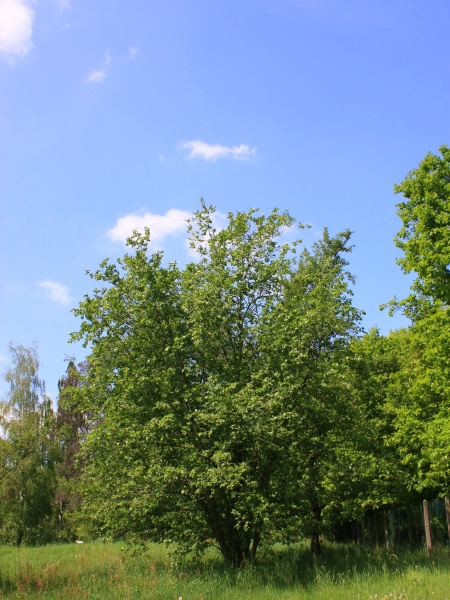
Grey Alder has smooth grey-brown bark and rounded, toothed leaves. It produces small hanging catkins in spring, followed by cone-like seed structures that persist into winter. It is an excellent choice for stream edges, and naturalized plantings. It can form dense thickets where conditions are favourable. It can be too vigorous for a small formal garden. It can tolerate periodic flooding and poorly drained soil. It establishes relatively quickly. Avoid planting directly beside small structures, pathways, or tiny garden beds if you do not want to manage its spreading habit.
Plant Location
Native to Ottawa region: Oui
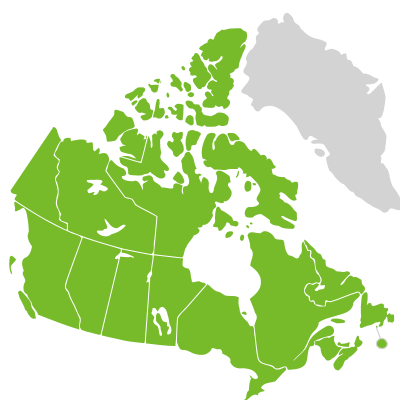
Distribution according to VASCAN
Ephemeral
Native
Introduced
Excluded
Extirpated
Doubtful
Absent
 Canadensis

Thrives in Ecozones
- Taïga des plaines
- Maritime de l'Atlantique
- Taïga du Bouclier
- Plaines boréales
- Cordillière montagnarde
- Plaines hudsoniennes
- Bouclier boréal
- Plaines à forêts mixtes
Ecological Benefits
Butterflies Supported by Alnus incana
-
Cingilia catenaria
Chain-dotted geometer - Arpenteuse caténaire -
Hyphantria cunea
Fall webworm - Écaille Fileuse -
Lomographa semiclarata
Bluish Spring - Arpenteuse du cerisier -
Melanchra adjuncta
Hitched Arches -
Orgyia leucostigma
marked Tussock - Chenille à Houppes Blanches -
Sphinx poecila
Poecila Sphinx - Sphinx Nordique des Bleuets
Specialized Bees Supported by Alnus incana
No bee data available for this plant.
Complementary Plants
- No complementary plants found.
Substitute For Non-Native Plants
- Rhamnus cathartica (Common Buckthorn)
- Rhamnus frangula (Glossy Buckthorn)
Sowing Information
Download Seed Envelope Labels (PDF)
- Sowing depth: Couvrir très légèrement
- Sow anytime
- Stratification duration: 0 days
- Self-seeding
Harvesting and Seed Sharing
- Harvest start month: September
- Harvesting indicator:
- Pods are released from plant
- Harvesting:
- Utiliser la main pour détacher de la tige principale
- Seed viability test:
- Pas de test requis avant le don
- Packaging measure: Six (6) seeds (eyeball)
- Seed storage:
- Sécher à l'air dans un sac en papier ou contenant ouvert, pour quelques jours jusqu'à sec
- Secouer de temps à autre pour prévenir la moisissure
- Cultivar: Yes, do not donate unless you know source, and there are no known cultivars in your garden or at proximity
- Remove non-seed material
- No harvesting video available at this time.
Toxicity Notes
Not known to be toxic to mammals if ingested.