 Connu comme étant toxique - All parts are poisonous if eaten, particularly when fresh. The plant contains irritating compounds that can cause burning of the mouth and digestive upset.
Plant Names

Caltha palustris
Yellow Marsh Marigold
Populage des marais
Synonyms
common marsh marigold
cowflock
cowslip
kingcup
marsh marigold
souci d'eau
Plant Characteristics
Couleur de floraison: Jaune
Bloom Period: Apr - Jun
Hauteur max: 2,0 feet
Max Width: 1,5 feet (spreads by rhizome)
Light Condition:
 Plus de 6 heures d'ensoleillement par jour
 More than 2 or 3 hours but less than 6 hours of direct sun a day
Soil conditions:
More than 2 or 3 hours but less than 6 hours of direct sun a day
Soil conditions:
 Tolère des conditions de sol humide
Plus de 6 heures d'ensoleillement par jour
More than 2 or 3 hours but less than 6 hours of direct sun a day
Tolère des conditions de sol humide
Lifespan:
Vivace
des plantes qui reviennent année après année
Gardener Experience:
 Spreads by rhizome
 Facile à germer
Spreads by rhizome
Facile à germer
Landscape Uses:
 Souhaitable dans les jardins de zone humide
 Suitable for rain gardens
 Suitable for shoreline rehabilitation
Souhaitable dans les jardins de zone humide
Suitable for rain gardens
Suitable for shoreline rehabilitation
Ecological Benefits:
No ecological benefits information available.
Tolerates:
 Deer resistant
 Rabbit resistant
 Tolerates limestone conditions
 Tolerates sandy conditions
 Tolerates juglone conditions
 Tolerates transplantation
Deer resistant
Rabbit resistant
Tolerates limestone conditions
Tolerates sandy conditions
Tolerates juglone conditions
Tolerates transplantation
Special Features and Considerations:
Seed and plant distribution status
No seeds available for this plant.
Nous acceptions les semences de cette plante
Faits intéressants
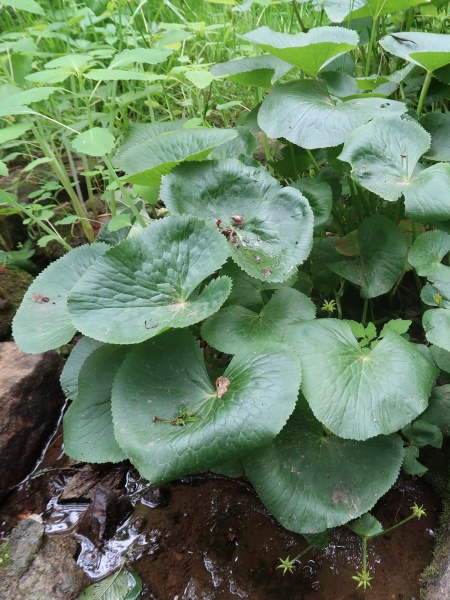
Yellow Marsh Marigold produces bright yellow, buttercup-like flowers in spring. Despite its common name, it is not a true marigold. The rounded, glossy green leaves remain attractive after flowering. It requires reliable moisture; it will struggle in dry soil. It can tolerate shallow standing water for periods of time. It forms clumps and may slowly spread in favourable conditions. It may become less prominent during the hottest part of summer. Avoid allowing it to dry out during establishment.
Plant Location
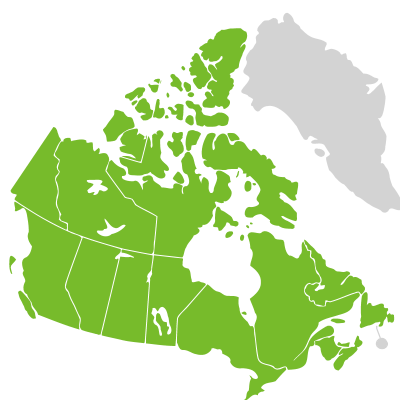
Native to Ottawa region: Oui
Distribution according to VASCAN
Ephemeral
Native
Introduced
Excluded
Extirpated
Doubtful
Absent
 Canadensis

Thrives in Ecozones
- Taïga des plaines
- Maritime de l'Atlantique
- Taïga du Bouclier
- Plaines boréales
- Cordillière montagnarde
- Plaines hudsoniennes
- Bouclier boréal
- Maritime du Pacifique
- Plaines à forêts mixtes
Ecological Benefits
Butterflies Supported by Caltha palustris
No butterfly data available for this plant.
Specialized Bees Supported by Caltha palustris
No bee data available for this plant.
Complementary Plants
- No complementary plants found.
Substitute For Non-Native Plants
- Butomus umbellatus (Flowering Rush)
- Iris pseudacorus (Yellow Iris)
- Iris (Iris Cultivars)
Sowing Information
Download Seed Envelope Labels (PDF)
- Sowing depth: Couvrir très légèrement
- Sow by January
- Stratification duration: 90 days
- Notes: Sow promptly. Can be kept in fridge up to 2 months.
Harvesting and Seed Sharing
- Harvest start month: June
- Harvesting indicator:
- Pods are open
- Harvesting:
- Ouvrir la gousse, enlever les graines
- Seed viability test:
- Pas de test requis avant le don
- Packaging measure: 1 rounded 1/8 teaspoon
- Seed storage:
- Garder humide et frais, danssac refermable au frigo, avec graines dans de terre, papier essuie-tout, filtre à café ou vermiculite, jusqu'au don
- Cultivar: Yes, do not donate unless you know source, and there are no known cultivars in your garden or at proximity
- Harvesting video: Watch here
Toxicity Notes
All parts are poisonous if eaten, particularly when fresh. The plant contains irritating compounds that can cause burning of the mouth and digestive upset.