 Inconnu - Inadequate information on toxicity found.
Plant Names

Chamaedaphne calyculata
Leatherleaf
Cassandre caliculé
Synonyms
cassandra
dwarf cassandra
cassandre
chamédaphné calyculé
faux bleuets
petit-daphné caliculé
Plant Characteristics
Couleur de floraison: Blanc
Bloom Period: Apr - Jun
Hauteur max: 5,0 feet
Max Width: 3,0 feet (spreads by rhizome)
Light Condition:
 Plus de 6 heures d'ensoleillement par jour
 More than 2 or 3 hours but less than 6 hours of direct sun a day
Soil conditions:
More than 2 or 3 hours but less than 6 hours of direct sun a day
Soil conditions:
 Tolerates medium soil condition
Plus de 6 heures d'ensoleillement par jour
More than 2 or 3 hours but less than 6 hours of direct sun a day
Tolerates medium soil condition
Lifespan:
Vivace
des plantes qui reviennent année après année
Gardener Experience:
 Spreads by rhizome
 Self-seeding
Spreads by rhizome
Self-seeding
Landscape Uses:
 Souhaitable dans les jardins de zone humide
 Suitable for school gardens
Souhaitable dans les jardins de zone humide
Suitable for school gardens
Ecological Benefits:
No ecological benefits information available.
Tolerates:
 Tolerates acidic soil conditions
 Tolerates juglone conditions
 Tolerates transplantation
Tolerates acidic soil conditions
Tolerates juglone conditions
Tolerates transplantation
Special Features and Considerations:
 This plant causes skin rashes
This plant causes skin rashes
Seed and plant distribution status
No seeds available for this plant.
Nous acceptions les semences de cette plante
Faits intéressants
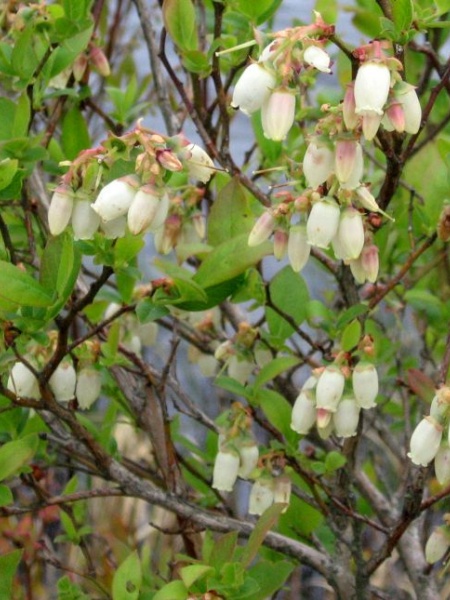
Leatherleaf is a small evergreen shrub of acidic bogs, fens, peatlands, and wet heathlands. It has leathery, dark green leaves and small white bell-shaped flowers in spring. It remains relatively compact and provides year-round foliage. It requires acidic, consistently moist soil and is best suited to bog gardens, wetland plantings, or naturally acidic sites. Avoid drying out the root zone.
Plant Location
Native to Ottawa region: Oui
Distribution according to VASCAN
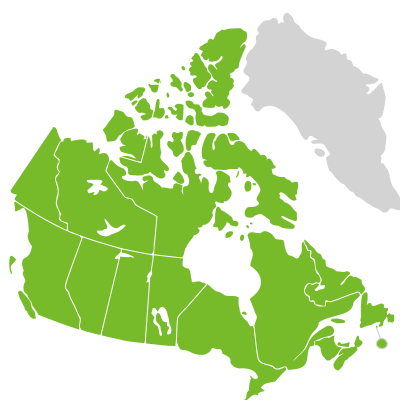
Ephemeral
Native
Introduced
Excluded
Extirpated
Doubtful
Absent
 Canadensis

Thrives in Ecozones
- Taïga des plaines
- Maritime de l'Atlantique
- Taïga du Bouclier
- Plaines boréales
- Cordillière montagnarde
- Plaines hudsoniennes
- Bouclier boréal
- Maritime du Pacifique
Ecological Benefits
Butterflies Supported by Chamaedaphne calyculata
No butterfly data available for this plant.
Specialized Bees Supported by Chamaedaphne calyculata
No bee data available for this plant.
Complementary Plants
- No complementary plants found.
Substitute For Non-Native Plants
- Buxus sempervirens (Boxwood)
Sowing Information
Download Seed Envelope Labels (PDF)
- Sowing depth: Couvrir très légèrement
- Sow anytime
- Stratification duration: 0 days
- Self-seeding
Harvesting and Seed Sharing
- Harvest start month: September
- Harvesting indicator:
- Pods are open
- Harvesting:
- Ouvrir la gousse, enlever les graines
- Seed viability test:
- Pas de test requis avant le don
- Packaging measure: 1 rounded 1/32 teaspoon
- Seed storage:
- Sécher à l'air dans un sac en papier ou contenant ouvert, pour quelques jours jusqu'à sec
- Secouer de temps à autre pour prévenir la moisissure
- Cultivar: Yes, do not donate unless you know source, and there are no known cultivars in your garden or at proximity
- No harvesting video available at this time.
Toxicity Notes
Inadequate information on toxicity found.