 Connu comme étant toxique - Toxic to mammals if ingested.
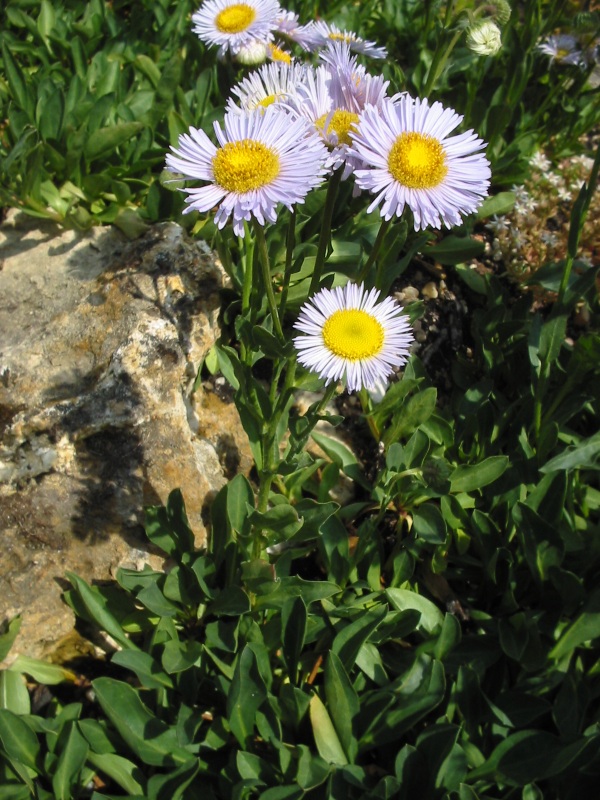
Plant Names

Erigeron pulchellus
Robin's Plantain Fleabane
Vergerette délicate
Synonyms
hairy fleabane
poor robin's-plantain
robin's-plantain
vergerette printanière
Plant Characteristics
Couleur de floraison: Blanc
Bloom Period: Jun - Jul
Hauteur max: 1,0 feet
Max Width: 1,0 feet (spreads by rhizome)
Light Condition:
 Plus de 6 heures d'ensoleillement par jour
 More than 2 or 3 hours but less than 6 hours of direct sun a day
Soil conditions:
More than 2 or 3 hours but less than 6 hours of direct sun a day
Soil conditions:
 Tolère des conditions de sol sec
 Tolerates medium soil condition
Plus de 6 heures d'ensoleillement par jour
More than 2 or 3 hours but less than 6 hours of direct sun a day
Tolère des conditions de sol sec
Tolerates medium soil condition
Lifespan:
Vivace
des plantes qui reviennent année après année
Gardener Experience:
 Ne se propage pas de manière incontrôlable
 Spreads by rhizome
 Facile à germer
 Self-seeding
Ne se propage pas de manière incontrôlable
Spreads by rhizome
Facile à germer
Self-seeding
Landscape Uses:
 Suitable for rock gardens
 Suitable for shoreline rehabilitation
 Suitable for container garden
Suitable for rock gardens
Suitable for shoreline rehabilitation
Suitable for container garden
Ecological Benefits:
 Butterfly host
 Bee host
Butterfly host
Bee host
Tolerates:
 Tolerates juglone conditions
Tolerates juglone conditions
Special Features and Considerations:
 This plant causes skin rashes
This plant causes skin rashes
Seed and plant distribution status
No seeds available for this plant.
Nous acceptions les semences de cette plante
Faits intéressants
Robin's plantain is a charming native perennial with a low rosette of hairy leaves and daisy-like flowers that range from pale pink to lavender. It blooms in spring and early summer, often earlier than many other fleabanes.
Robin's Plantain Fleabane is one of the more garden-friendly fleabanes. It forms
attractive clumps and can tolerate some drought once established.
Robin's Plantain Fleabane is one of the more garden-friendly fleabanes. It forms
attractive clumps and can tolerate some drought once established.
Plant Location
Distribution according to VASCAN
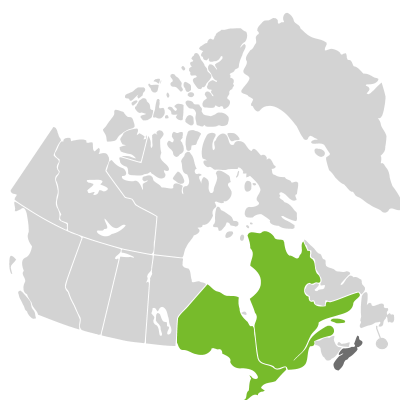
Ephemeral
Native
Introduced
Excluded
Extirpated
Doubtful
Absent
 Canadensis

Thrives in Ecozones
- Plaines à forêts mixtes
Ecological Benefits
Butterflies Supported by Erigeron pulchellus
No butterfly data available for this plant.
Specialized Bees Supported by Erigeron pulchellus
- Megachile inimica
- Megachile pugnata
- Pseudopanurgus aestivalis
Complementary Plants
- No complementary plants found.
Substitute For Non-Native Plants
- Leucanthemum (Shasta Daisy)
- Gerbera (Gerbera Daisy)
Sowing Information
Download Seed Envelope Labels (PDF)
- Sowing depth: Surface sow
- Sow by February
- Stratification duration: 60 days
- Self-seeding
Harvesting and Seed Sharing
- Harvest start month: August
- Harvesting indicator:
- Seeds have become fluffy and can be easily removed by shaking on gently pulling off from stem
- Harvesting:
- Secouer le porte-graines dans un sac de papier
- Seed viability test:
- Pas de test requis avant le don
- Packaging measure: 1 rounded 1/32 teaspoon
- Seed storage:
- Sécher à l'air dans un sac en papier ou contenant ouvert, pour quelques jours jusqu'à sec
- Secouer de temps à autre pour prévenir la moisissure
- Cultivar: Yes, do not donate unless you know source, and there are no known cultivars in your garden or at proximity
- Harvesting video: Watch here
Toxicity Notes
Toxic to mammals if ingested.