 Pas connu comme étant toxique - Not toxic as per ASPCA.
Plant Names

Morus rubra
Red Mulberry
Mûrier rouge
Plant Characteristics
Couleur de floraison: Vert
Bloom Period: Apr - Apr
Hauteur max: 50,0 feet
Max Width: 40,0 feet
Light Condition:
 Plus de 6 heures d'ensoleillement par jour
 More than 2 or 3 hours but less than 6 hours of direct sun a day
Soil conditions:
More than 2 or 3 hours but less than 6 hours of direct sun a day
Soil conditions:
 Tolerates medium soil condition
Plus de 6 heures d'ensoleillement par jour
More than 2 or 3 hours but less than 6 hours of direct sun a day
Tolerates medium soil condition
Lifespan:
Vivace
des plantes qui reviennent année après année
Plant is
dioecious
Need a male and female plant to produce seeds
Gardener Experience:
 Ne se propage pas de manière incontrôlable
 Self-seeding
Ne se propage pas de manière incontrôlable
Self-seeding
Landscape Uses:
No landscape information available.
Ecological Benefits:
No ecological benefits information available.
Tolerates:
 Tolerates drought conditions
 Tolerates limestone conditions
 Tolerates juglone conditions
Tolerates drought conditions
Tolerates limestone conditions
Tolerates juglone conditions
Special Features and Considerations:
 This plant causes skin rashes
This plant causes skin rashes
Seed and plant distribution status
No seeds available for this plant.
Nous acceptions les semences de cette plante
Faits intéressants
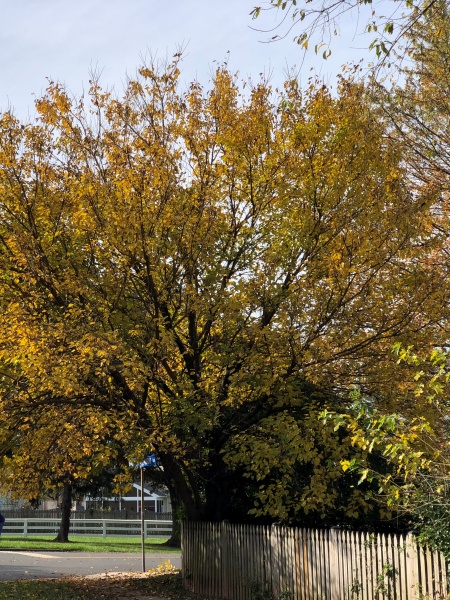
Red Mulberry works for larger lawns or park settings. With the largest leaves of a native tree in Canada, and beautiful ripples in the bark, it’s used in landscaping, but is under pressure in the wild in Ontario. It prefers rich, moist soil but adapts to average garden conditions. This tree fruits heavily and the berries can stain patios, sidewalks, and vehicles. As a result, it is not ideal near driveways or outdoor seating because of fallen fruit. It attracts birds that may spread seeds around the garden. It is a good long-lived shade tree for larger properties.
Plant Location
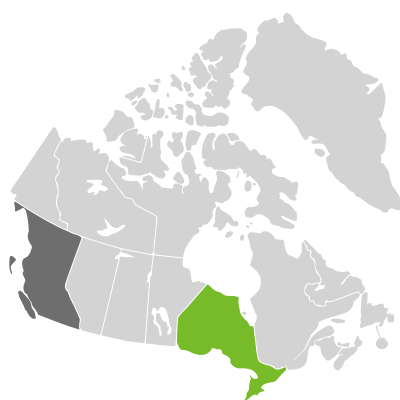
Distribution according to VASCAN
Ephemeral
Native
Introduced
Excluded
Extirpated
Doubtful
Absent
 Canadensis

Thrives in Ecozones
- Plaines à forêts mixtes
Ecological Benefits
Butterflies Supported by Morus rubra
No butterfly data available for this plant.
Specialized Bees Supported by Morus rubra
No bee data available for this plant.
Complementary Plants
- No complementary plants found.
Substitute For Non-Native Plants
- Rhamnus cathartica (Common Buckthorn)
- Rhamnus frangula (Glossy Buckthorn)
- Acer japonicum (Japanese Maple)
- Acer platanoides (Norway Maple)
Sowing Information
Download Seed Envelope Labels (PDF)
- Sowing depth: Surface sow
- Sow by January
- Stratification duration: 90 days
- Self-seeding
- Notes: Soak in water 4 days, change water each day.
Harvesting and Seed Sharing
- Harvest start month: June
- Harvesting indicator:
- Berries are ripen and easily fall off or have fallen off
- Harvesting:
- Squeeze berries to extract seeds, wash with soapy water, rinse throroughly
- Seed viability test:
- Pas de test requis avant le don
- Packaging measure: Six (6) seeds (eyeball)
- Seed storage:
- Sécher à l'air dans un sac en papier ou contenant ouvert, pour quelques jours jusqu'à sec
- Secouer de temps à autre pour prévenir la moisissure
- Cultivar: Yes, do not donate unless you know source, and there are no known cultivars in your garden or at proximity
- No harvesting video available at this time.
Toxicity Notes
Not toxic as per ASPCA.