 Connu comme étant toxique - Toxic to mammals.
Plant Names

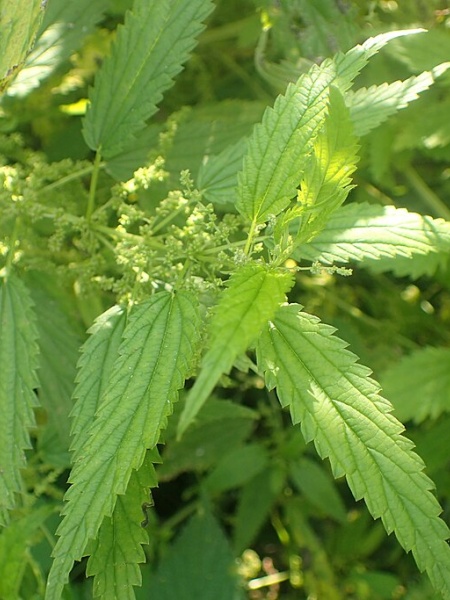
Urtica gracilis
Slender Stinging Nettle
Ortie élevée
Synonyms
slender nettle
Plant Characteristics
Couleur de floraison: Vert
Bloom Period: May - Jun
Hauteur max: 10,0 feet
Max Width: 3,0 feet (spreads by rhizome)
Light Condition:
 Plus de 6 heures d'ensoleillement par jour
 More than 2 or 3 hours but less than 6 hours of direct sun a day
Soil conditions:
More than 2 or 3 hours but less than 6 hours of direct sun a day
Soil conditions:
 Tolerates medium soil condition
Plus de 6 heures d'ensoleillement par jour
More than 2 or 3 hours but less than 6 hours of direct sun a day
Tolerates medium soil condition
Lifespan:
Vivace
des plantes qui reviennent année après année
Plant is
dioecious
Need a male and female plant to produce seeds
Gardener Experience:
 Spreads by rhizome
 Facile à germer
 Self-seeding
Spreads by rhizome
Facile à germer
Self-seeding
Landscape Uses:
 Souhaitable dans les jardins de zone humide
Souhaitable dans les jardins de zone humide
Ecological Benefits:
 Supports pollinators
 Butterfly host
Supports pollinators
Butterfly host
Tolerates:
 Tolerates limestone conditions
 Tolerates transplantation
Tolerates limestone conditions
Tolerates transplantation
Special Features and Considerations:
 This plant produces burs
 This plant causes skin rashes
This plant produces burs
This plant causes skin rashes
Seed and plant distribution status
No seeds available for this plant.
Nous acceptions les semences de cette plante
Faits intéressants
Slender Stinging Nettle has upright, branching stems and opposite, sharply toothed leaves. As its name suggests, the foliage and stems are covered with tiny stinging hairs that can cause a painful, burning sensation when touched. Small greenish flowers appear in branching clusters from summer into fall. This plant is not recommended for areas where people regularly walk, play or garden by hand. It is a vigorous spreader. It prefers fertile soil.
Plant Location
Native to Ottawa region: Oui
Distribution according to VASCAN
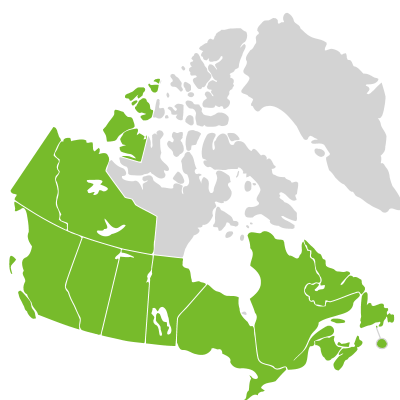
Ephemeral
Native
Introduced
Excluded
Extirpated
Doubtful
Absent
 Canadensis

Thrives in Ecozones
- Taïga des plaines
- Maritime de l'Atlantique
- Taïga du Bouclier
- Plaines boréales
- Cordillière montagnarde
- Prairies
- Bouclier boréal
- Plaines à forêts mixtes
Ecological Benefits
Butterflies Supported by Urtica gracilis
-
Aglais milberti
Fire Rim Tortoiseshell - Petite Vanesse -
Polygonia comma
Eastern Comma - Polygone Virgule -
Polygonia interrogationis
Question Mark - Polygone à Queue Violacée -
Xanthotype sospeta
False Crocus Geometer -
Xestia smithii
Smith's Dart
Specialized Bees Supported by Urtica gracilis
No bee data available for this plant.
Complementary Plants
- No complementary plants found.
Substitute For Non-Native Plants
- Urtica dioica (Stinging Nettle)
Sowing Information
Download Seed Envelope Labels (PDF)
- Sowing depth: Surface sow
- Sow anytime
- Stratification duration: 0 days
- Self-seeding
Harvesting and Seed Sharing
- Harvest start month: September
- Harvesting indicator:
- Seeds easily fall off when you gently pull them off
- Harvesting:
- Utiliser la main pour détacher de la tige principale
- Seed viability test:
- Pas de test requis avant le don
- Packaging measure: 1 rounded 1/8 teaspoon
- Seed storage:
- Sécher à l'air dans un sac en papier ou contenant ouvert, pour quelques jours jusqu'à sec
- Secouer de temps à autre pour prévenir la moisissure
- Cultivar: No, you can donate without knowing the source as there are only straight species
- No harvesting video available at this time.
Toxicity Notes
Toxic to mammals.