 Pas connu comme étant toxique - Inadequate information on toxicity found.
Plant Names

Zizania palustris
Northern Wildrice
Zizanie des marais
Synonyms
northern zizania
folle avoine
riz sauvage
Plant Characteristics
Couleur de floraison: Vert
Bloom Period: Jul - Oct
Hauteur max: 9,0 feet
Max Width: 1,0 feet (spreads by rhizome)
Light Condition:
 Plus de 6 heures d'ensoleillement par jour
Soil conditions:
Plus de 6 heures d'ensoleillement par jour
Soil conditions:
 Tolère des conditions de sol humide
Plus de 6 heures d'ensoleillement par jour
Tolère des conditions de sol humide
Lifespan:
Annuel
des plantes qui ont une durée de vie d'un an
Gardener Experience:
 Ne se propage pas de manière incontrôlable
 Spreads by rhizome
Ne se propage pas de manière incontrôlable
Spreads by rhizome
Landscape Uses:
 Souhaitable dans les jardins de zone humide
Souhaitable dans les jardins de zone humide
Ecological Benefits:
No ecological benefits information available.
Tolerates:
 Tolerates transplantation
Tolerates transplantation
Special Features and Considerations:
 This plant is a GRASP candidate
This plant is a GRASP candidate
Seed and plant distribution status
No seeds available for this plant.
Nous acceptions les semences de cette plante
Faits intéressants
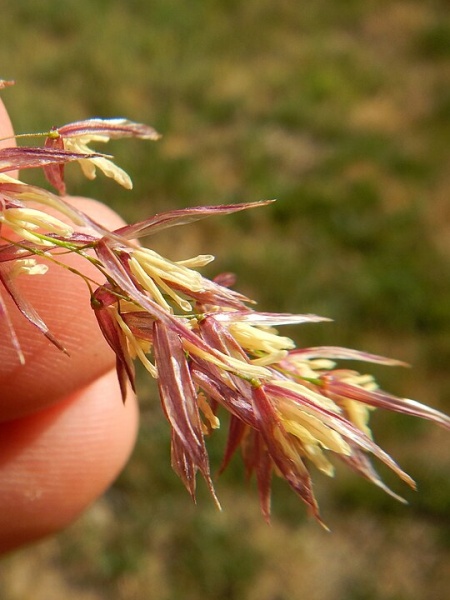
Northern Wildrice grows in shallow lakes, ponds, slow-moving rivers, and sheltered wetlands. It has long, narrow, arching leaves and graceful stems that rise above the water. In late summer, it produces loose clusters of flowers and seeds that hang from the upper stems. It prefers shallow, calm water, generally with soft, muddy or silty bottoms. It is best suited to a natural pond, large water garden, wetland restoration project, or shoreline planting rather than a typical garden bed.
Nothern Wildrice must produce and drop seed each year to maintain a population. It does not tolerate strong waves, fast-moving water, or heavily disturbed shorelines. Once established, it can reseed naturally and may form extensive stands. Avoid planting it where water levels fluctuate dramatically during the growing season. Do not fertilize; excessive nutrients can encourage algae and competing aquatic plants. It is not a good choice for a small backyard pond unless the pond has suitable shallow-water habitat and relatively natural conditions.
Nothern Wildrice must produce and drop seed each year to maintain a population. It does not tolerate strong waves, fast-moving water, or heavily disturbed shorelines. Once established, it can reseed naturally and may form extensive stands. Avoid planting it where water levels fluctuate dramatically during the growing season. Do not fertilize; excessive nutrients can encourage algae and competing aquatic plants. It is not a good choice for a small backyard pond unless the pond has suitable shallow-water habitat and relatively natural conditions.
Plant Location
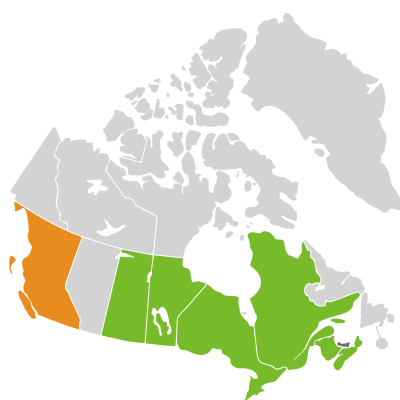
Native to Ottawa region: Oui
Distribution according to VASCAN
Ephemeral
Native
Introduced
Excluded
Extirpated
Doubtful
Absent
 Canadensis

Thrives in Ecozones
- Plaines boréales
- Bouclier boréal
- Plaines à forêts mixtes
Ecological Benefits
Butterflies Supported by Zizania palustris
No butterfly data available for this plant.
Specialized Bees Supported by Zizania palustris
No bee data available for this plant.
Complementary Plants
- No complementary plants found.
Substitute For Non-Native Plants
- Phalaris arundinacea (Reed Canary Grass)
- Butomus umbellatus (Flowering Rush)
- Iris pseudacorus (Yellow Iris)
Sowing Information
Download Seed Envelope Labels (PDF)
- Sowing depth: Surface sow
- Sow by February
- Stratification duration: 60 days
- Notes: Sow promptly. Can be kept in fridge up to 2 months.
Harvesting and Seed Sharing
- Harvest start month: August
- Harvesting indicator:
- Seeds are dark and dry, and easily fall off when you gently pull them off
- Harvesting:
- Utiliser la main pour détacher de la tige principale
- Seed viability test:
- Mettre les graines dans un contenant rempli d'eau
- Si les graines vont au fond, faites don de ces graines
- Si elles flottent, ne les donnez pas
- Packaging measure: 1 rounded 1/8 teaspoon
- Seed storage:
- Garder humide et frais, danssac refermable au frigo, avec graines dans de terre, papier essuie-tout, filtre à café ou vermiculite, jusqu'au don
- Cultivar: No, you can donate without knowing the source as there are only straight species
- No harvesting video available at this time.
Toxicity Notes
Inadequate information on toxicity found.
GRASP Candidate
Culturally significant to Indigenous Communities.