
Plant Names

Vaccinium corymbosum
Highbush Blueberry
Bleuet en corymbe
Plant Characteristics
Couleur de floraison: Blanc
Bloom Period: May - May
Hauteur max: 12,0 feet
Max Width: 12,0 feet
Light Condition:
 Plus de 6 heures d'ensoleillement par jour
 More than 2 or 3 hours but less than 6 hours of direct sun a day
Soil conditions:
More than 2 or 3 hours but less than 6 hours of direct sun a day
Soil conditions:
 Tolerates medium soil condition
 Tolère des conditions de sol humide
Plus de 6 heures d'ensoleillement par jour
More than 2 or 3 hours but less than 6 hours of direct sun a day
Tolerates medium soil condition
Tolère des conditions de sol humide
Lifespan:
Vivace
des plantes qui reviennent année après année
Gardener Experience:
Landscape Uses:
No landscape information available.
Ecological Benefits:
 Supports hummingbirds
 Supports birds
 Butterfly host
 Keystone species
Supports hummingbirds
Supports birds
Butterfly host
Keystone species
Tolerates:
 Tolerates sandy conditions
 Tolerates acidic soil conditions
Tolerates sandy conditions
Tolerates acidic soil conditions
Special Features and Considerations:
Seed and plant distribution status
No seeds available for this plant.
Nous acceptions les semences de cette plante
Faits intéressants
Highbush Blueberry is prized for its beautiful white, bell-shaped spring flowers, edible blue berries and brilliant red fall colour. The berries start out green, then turn pinkish or reddish before ripening to their familiar deep blue-purple colour. It is a member of the heath family (Ericaceae), making it a relative of cranberries, wintergreen, rhododendrons and azaleas.
The shrub provides three seasons of interest: flowers in spring, fruit in summer and vivid red foliage in fall.
Pruning is important once plants mature. Remove some of the oldest stems at ground level to encourage younger, more productive growth. Late winter or early spring is generally the best time.
A layer of acidic organic mulch such as pine bark or pine needles can help conserve moisture and maintain suitable soil conditions. Test your soil before planting. If your soil is naturally alkaline, growing blueberries successfully can require ongoing soil amendments. Don't assume that adding a little peat or compost once will permanently make the soil acidic.
The shrub provides three seasons of interest: flowers in spring, fruit in summer and vivid red foliage in fall.
Pruning is important once plants mature. Remove some of the oldest stems at ground level to encourage younger, more productive growth. Late winter or early spring is generally the best time.
A layer of acidic organic mulch such as pine bark or pine needles can help conserve moisture and maintain suitable soil conditions. Test your soil before planting. If your soil is naturally alkaline, growing blueberries successfully can require ongoing soil amendments. Don't assume that adding a little peat or compost once will permanently make the soil acidic.
Plant Location
Native to Ottawa region: Oui
Distribution according to VASCAN
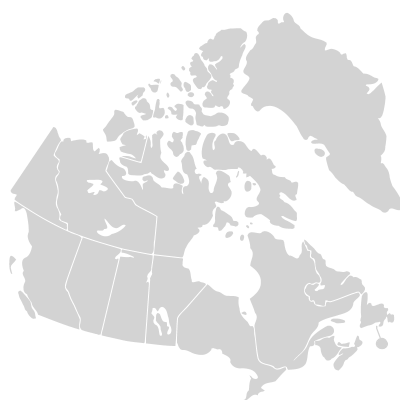
Ephemeral
Native
Introduced
Excluded
Extirpated
Doubtful
Absent
 Canadensis

Thrives in Ecozones
- Maritime de l'Atlantique
- Bouclier boréal
- Plaines à forêts mixtes
Ecological Benefits
Butterflies Supported by Vaccinium corymbosum
-
Cingilia catenaria
Chain-dotted geometer - Arpenteuse caténaire -
Melanchra picta
Zebra caterpillar -
Scopula limboundata
Large lace-border -
Spaelotis Clandestina
Clandestine dart - Ver-gris clandestin
Specialized Bees Supported by Vaccinium corymbosum
No bee data available for this plant.
Complementary Plants
- No complementary plants found.
Substitute For Non-Native Plants
- Rubus (Non-native Raspberries)
Sowing Information
Download Seed Envelope Labels (PDF)
- Sowing depth: Surface sow
- Sow by January
- Stratification conditions: Soak for 24h
- Stratification duration: 90 days
Harvesting and Seed Sharing
- Harvest start month: July
- Harvesting indicator:
- Berries are ripen and easily fall off or have fallen off
- Harvesting:
- Put berries through strainer to separate seeds, then rinse with water
- Seed viability test:
- Pas de test requis avant le don
- Packaging measure: Half of 1/32 teaspoon
- Seed storage:
- Sécher à l'air dans un sac en papier ou contenant ouvert, pour quelques jours jusqu'à sec
- Secouer de temps à autre pour prévenir la moisissure
- Cultivar: Yes, do not donate unless you know source, and there are no known cultivars in your garden or at proximity
- Remove non-seed material
- No harvesting video available at this time.