Plant Names

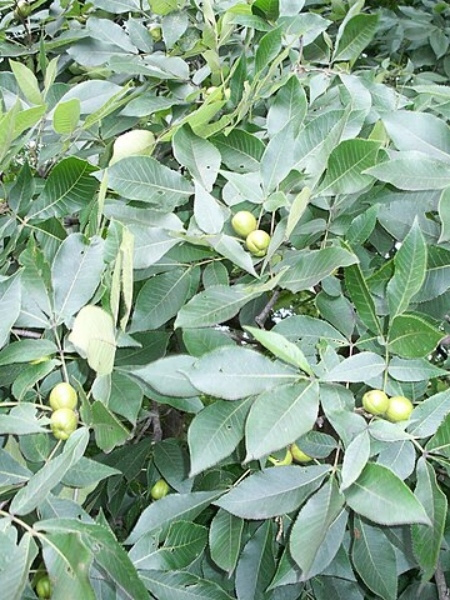
Carya ovata
Shagbark Hickory
Caryer ovale
Plant Characteristics
Couleur de floraison: Vert
Bloom Period: Apr - May
Hauteur max: 90,0 feet
Max Width: 70,0 feet
Light Condition:
 Plus de 6 heures d'ensoleillement par jour
 More than 2 or 3 hours but less than 6 hours of direct sun a day
Soil conditions:
More than 2 or 3 hours but less than 6 hours of direct sun a day
Soil conditions:
 Tolerates medium soil condition
Plus de 6 heures d'ensoleillement par jour
More than 2 or 3 hours but less than 6 hours of direct sun a day
Tolerates medium soil condition
Lifespan:
Vivace
des plantes qui reviennent année après année
Gardener Experience:
Landscape Uses:
 Suitable for shoreline rehabilitation
Suitable for shoreline rehabilitation
Ecological Benefits:
 Butterfly host
 Keystone species
Butterfly host
Keystone species
Tolerates:
 Tolerates drought conditions
 Deer resistant
 Tolerates juglone conditions
Tolerates drought conditions
Deer resistant
Tolerates juglone conditions
Special Features and Considerations:
 This plant is a GRASP candidate
This plant is a GRASP candidate
Seed and plant distribution status
No seeds available for this plant.
Nous acceptions les semences de cette plante
Faits intéressants
Shagbark Hickory is recognized by its exfoliating bark that peels in long vertical strips. Best grown in rich, moist, well-drained soils. It is a long-lived species, often lasting over 300 years, that is drought tolerant once established. It is found naturally in dry upland soils of woods or fields. It needs a large open space to grow. it is not commonly planted for ornamental purposes. It is slow-growing.
Plant Location
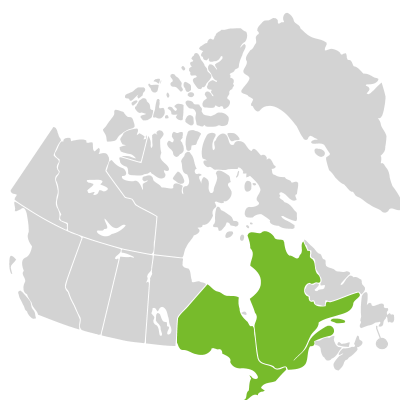
Native to Ottawa region: Oui
Distribution according to VASCAN
Ephemeral
Native
Introduced
Excluded
Extirpated
Doubtful
Absent
 Canadensis
Thrives in Ecozones
- Bouclier boréal
- Plaines à forêts mixtes
Ecological Benefits
Butterflies Supported by Carya ovata
-
Acronicta funeralis
Funerary Dagger - Acronicte spatulée -
Actias luna
Luna Moth - Papillon Lune -
Hyphantria cunea
Fall webworm - Écaille Fileuse
Specialized Bees Supported by Carya ovata
No bee data available for this plant.
Complementary Plants
- No complementary plants found.
Substitute For Non-Native Plants
- Rhamnus cathartica (Common Buckthorn)
- Rhamnus frangula (Glossy Buckthorn)
Sowing Information
Download Seed Envelope Labels (PDF)
- Sowing depth: Semer à un pouce de creux
- Sow by December
- Stratification conditions: Soak for 4 days, changing water every day
- Stratification duration: 120 days
Harvesting and Seed Sharing
- Harvest start month: June
- Harvesting indicator:
- Pods are released from plant
- Harvesting:
- La noix a été extraite de l'arbre
- Seed viability test:
- Mettre les graines dans un contenant rempli d'eau
- Si les graines vont au fond, faites don de ces graines
- Si elles flottent, ne les donnez pas
- Packaging measure: Six (6) seeds (eyeball)
- Seed storage:
- Sécher à l'air dans un sac en papier ou contenant ouvert, pour quelques jours jusqu'à sec
- Secouer de temps à autre pour prévenir la moisissure
- Cultivar: No, you can donate without knowing the source as there are only straight species
- No harvesting video available at this time.
GRASP Candidate
Rare/endangered native plants within 50km radius of Ottawa approximately. Burton is anchor study, plus iNaturalist observations to corroborate if any recent spotting.