Plant Names

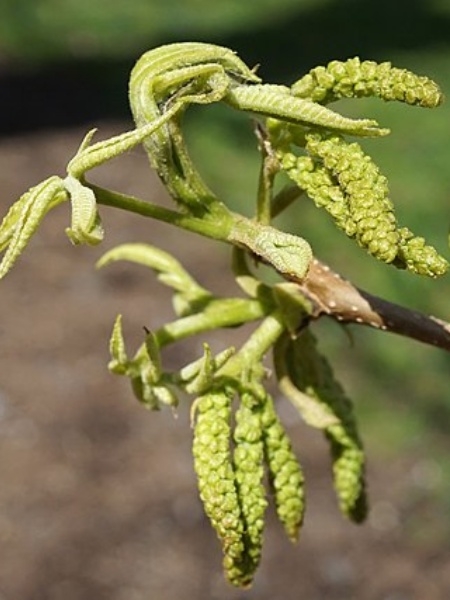
Carya cordiformis
Bitternut Hickory
Caryer cordiforme
Plant Characteristics
Couleur de floraison: Vert
Bloom Period: Apr - May
Hauteur max: 80,0 feet
Max Width: 50,0 feet
Light Condition:
 Plus de 6 heures d'ensoleillement par jour
 More than 2 or 3 hours but less than 6 hours of direct sun a day
Soil conditions:
More than 2 or 3 hours but less than 6 hours of direct sun a day
Soil conditions:
 Tolerates medium soil condition
 Tolère des conditions de sol humide
Plus de 6 heures d'ensoleillement par jour
More than 2 or 3 hours but less than 6 hours of direct sun a day
Tolerates medium soil condition
Tolère des conditions de sol humide
Lifespan:
Vivace
des plantes qui reviennent année après année
Gardener Experience:
Landscape Uses:
No landscape information available.
Ecological Benefits:
 Butterfly host
 Keystone species
Butterfly host
Keystone species
Tolerates:
 Tolerates limestone conditions
 Tolerates juglone conditions
Tolerates limestone conditions
Tolerates juglone conditions
Special Features and Considerations:
Seed and plant distribution status
No seeds available for this plant.
Nous acceptions les semences de cette plante
Faits intéressants
Bitternut Hickory is recognized for its distinct bright yellow winter buds. It prefers rich, medium to wet, and well-drained soils, and like all nut trees it needs full sun to thrive. Naturally found in woodlands along riverbanks and in swamps, it is generally intolerant to full shade. It needs a large space within which to grow so best suited for large properties and parks. Not commonly planted for ornamental purposes.
Bitternut Hickory is an excellent choice for ecological restoration, particularly for stabilizing soil in disturbed sites, watersheds, and floodplains due to its deep, strong root system. It is a fast-growing, hardy native tree suitable for reforesting.
Bitternut Hickory is an excellent choice for ecological restoration, particularly for stabilizing soil in disturbed sites, watersheds, and floodplains due to its deep, strong root system. It is a fast-growing, hardy native tree suitable for reforesting.
Plant Location
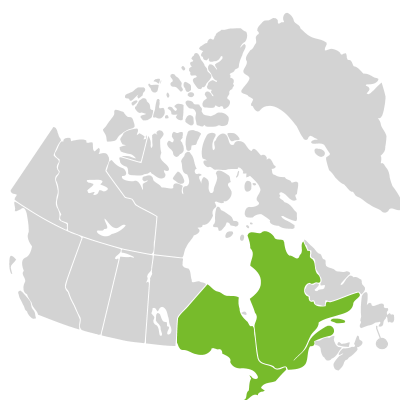
Native to Ottawa region: Oui
Distribution according to VASCAN
Ephemeral
Native
Introduced
Excluded
Extirpated
Doubtful
Absent
 Canadensis
Thrives in Ecozones
- Bouclier boréal
- Plaines à forêts mixtes
Ecological Benefits
Butterflies Supported by Carya cordiformis
-
Acronicta funeralis
Funerary Dagger - Acronicte spatulée -
Actias luna
Luna Moth - Papillon Lune -
Hyphantria cunea
Fall webworm - Écaille Fileuse
Specialized Bees Supported by Carya cordiformis
No bee data available for this plant.
Complementary Plants
- No complementary plants found.
Substitute For Non-Native Plants
- Rhamnus cathartica (Common Buckthorn)
- Rhamnus frangula (Glossy Buckthorn)
Sowing Information
Download Seed Envelope Labels (PDF)
- Sowing depth: Semer à un pouce de creux
- Sow by January
- Stratification conditions: Soak for 4 days, changing water every day
- Stratification duration: 90 days
Harvesting and Seed Sharing
- Harvest start month: September
- Harvesting indicator:
- None
- Harvesting:
- None
- Seed viability test:
- None
- Packaging measure: Six (6) seeds (eyeball)
- Seed storage:
- Sécher à l'air dans un sac en papier ou contenant ouvert, pour quelques jours jusqu'à sec
- Secouer de temps à autre pour prévenir la moisissure
- Cultivar: None
- No harvesting video available at this time.