 Connu comme étant toxique - All parts of Allium species can be toxic to dogs, cats, and some livestock if eaten in sufficient quantities. Onions and related plants can damage red blood cells and cause serious illness, particularly in pets. Do not allow pets or livestock to consume the foliage or bulbs.
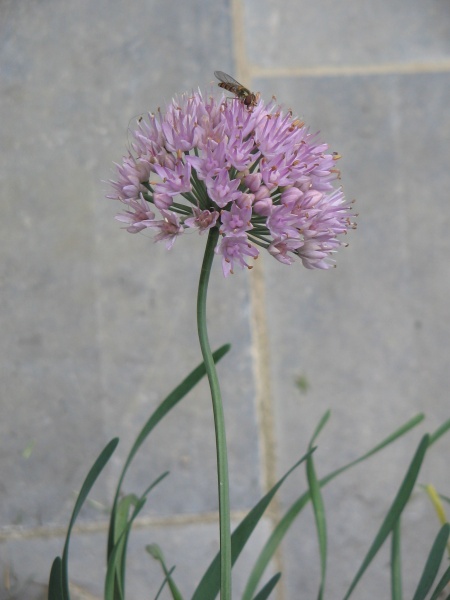
Plant Names

Allium stellatum
Autumn Onion
Ail étoilé
Synonyms
glade onion
pink-flowered onion
prairie onion
Plant Characteristics
Couleur de floraison: Violet
Bloom Period: Jul - Aug
Hauteur max: 1,0 feet
Max Width: 0,7 feet
Light Condition:
 Plus de 6 heures d'ensoleillement par jour
 More than 2 or 3 hours but less than 6 hours of direct sun a day
Soil conditions:
More than 2 or 3 hours but less than 6 hours of direct sun a day
Soil conditions:
 Tolère des conditions de sol sec
 Tolerates medium soil condition
Plus de 6 heures d'ensoleillement par jour
More than 2 or 3 hours but less than 6 hours of direct sun a day
Tolère des conditions de sol sec
Tolerates medium soil condition
Lifespan:
Vivace
des plantes qui reviennent année après année
Gardener Experience:
 Suitable for beginner gardeners
 Ne se propage pas de manière incontrôlable
 Self-seeding
Suitable for beginner gardeners
Ne se propage pas de manière incontrôlable
Self-seeding
Landscape Uses:
 Suitable for rock gardens
 Suitable for container garden
 Suitable for school gardens
Suitable for rock gardens
Suitable for container garden
Suitable for school gardens
Ecological Benefits:
 Butterfly host
Butterfly host
Tolerates:
 Deer resistant
 Rabbit resistant
 Tolerates limestone conditions
 Tolerates sandy conditions
 Tolerates juglone conditions
 Tolerates transplantation
Deer resistant
Rabbit resistant
Tolerates limestone conditions
Tolerates sandy conditions
Tolerates juglone conditions
Tolerates transplantation
Special Features and Considerations:
Seed and plant distribution status
Semences disponible
Disponible à la table Mi-soleil, sec
Disponible à la table Mi-soleil, sec
Nous acceptions les semences de cette plante
Faits intéressants
Autumn Onion has slender, upright, blue-green leaves and rounded clusters of small pink to pale lavender flowers. It typically blooms in late summer to early fall, making it useful for extending the flowering season. It is an excellent choice for dry prairie gardens, sunny borders, and gravelly sites. It forms small clumps and is very drought tolerant once established. It requires excellent drainage, particularly during winter; wet, heavy soil can cause bulbs to rot. It does not need rich soil. You can divide bulbs in fall or early spring if clumps become crowded.
Plant Location
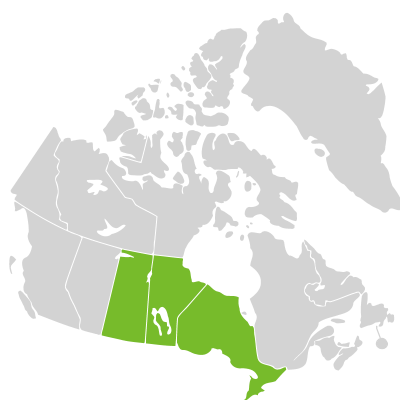
Distribution according to VASCAN
Ephemeral
Native
Introduced
Excluded
Extirpated
Doubtful
Absent
 Canadensis

Thrives in Ecozones
- Plaines boréales
- Prairies
- Plaines à forêts mixtes
Ecological Benefits
Butterflies Supported by Allium stellatum
-
Euxoa tessellata
Tessellate dart
Specialized Bees Supported by Allium stellatum
No bee data available for this plant.
Complementary Plants
- Capnoides sempervirens
Pink Corydalis
Corydale toujours verte - Drymocallis arguta
Tall Wood Beauty
Potentille âcre - Eragrostis spectabilis
Purple Lovegrass
Éragrostide brillante - Liatris cylindracea
Cylindrical Blazing Star
Liatris cylindrique - Monarda punctata
Spotted Beebalm
Monarde ponctuée
Substitute For Non-Native Plants
- Alliums (Non-Native Alliums)
Sowing Information
Download Seed Envelope Labels (PDF)
- Sowing depth: Surface sow
- Sow by February
- Stratification duration: 60 days
- Self-seeding
Harvesting and Seed Sharing
- Harvest start month: September
- Harvesting indicator:
- Pods are slightly open and seeds inside are dark
- Harvesting:
- Utiliser la main pour détacher de la tige principale
- Seed viability test:
- Pas de test requis avant le don
- Packaging measure: 1 rounded 1/32 teaspoon
- Seed storage:
- Sécher à l'air dans un sac en papier ou contenant ouvert, pour quelques jours jusqu'à sec
- Secouer de temps à autre pour prévenir la moisissure
- Cultivar: No, you can donate without knowing the source as there are only straight species
- No harvesting video available at this time.
Toxicity Notes
All parts of Allium species can be toxic to dogs, cats, and some livestock if eaten in sufficient quantities. Onions and related plants can damage red blood cells and cause serious illness, particularly in pets. Do not allow pets or livestock to consume the foliage or bulbs.